Shoulder Exercises: How to Train Your Shoulders Properly?
Discover the best shoulder exercises for strength training: military press, lateral raises, dumbbells, machines, rear delts, and a complete workout.
Shoulder muscles to know
When talking about shoulder strength training, the main muscle we think of is the deltoid. This muscle is made up of three parts that do not contribute in exactly the same way to the different movements. The anterior deltoid, located at the front of the shoulder, is heavily involved in pressing movements. It works during shoulder presses, but it also already works a lot during the bench press, incline bench press, or dips.
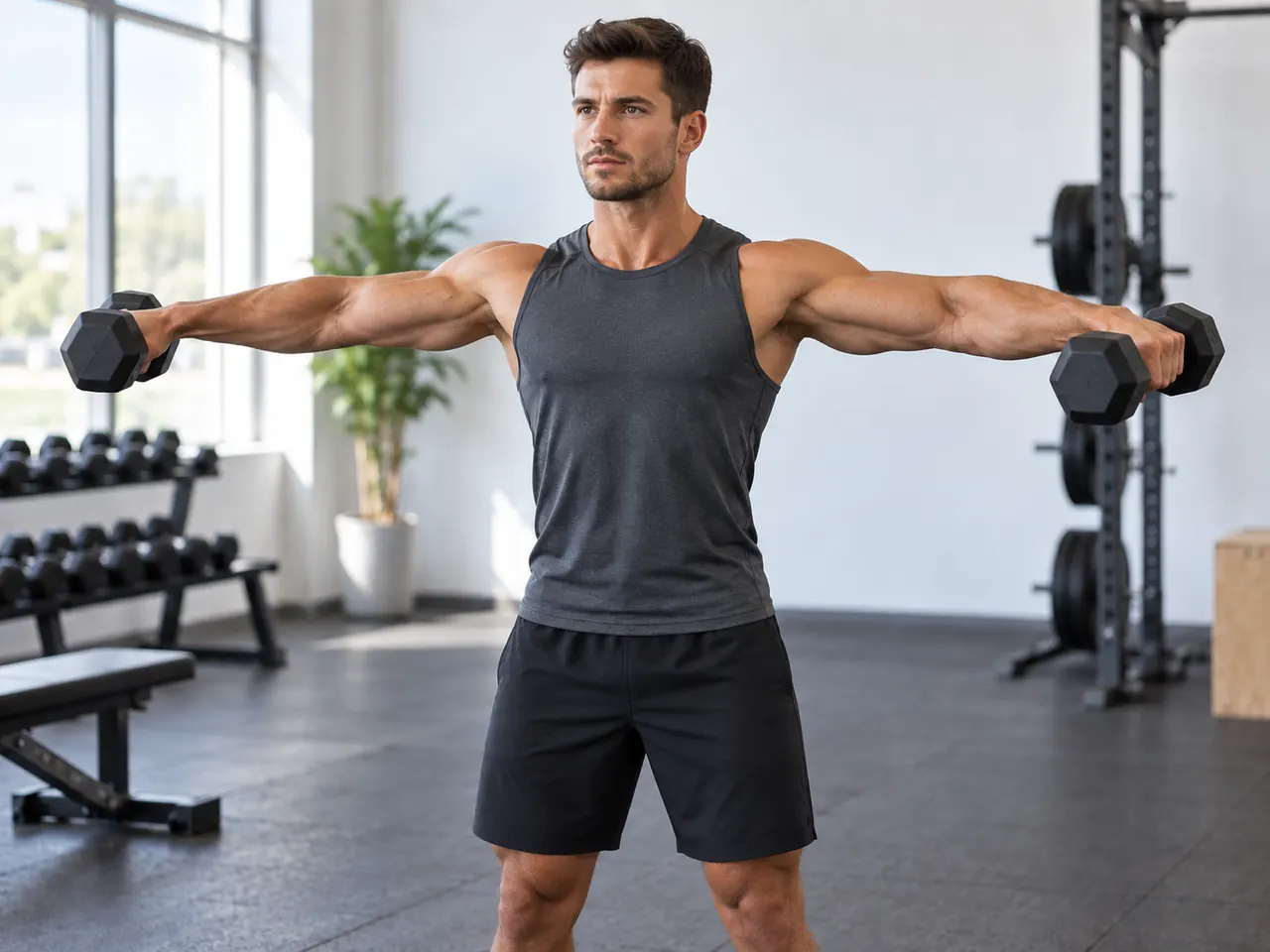
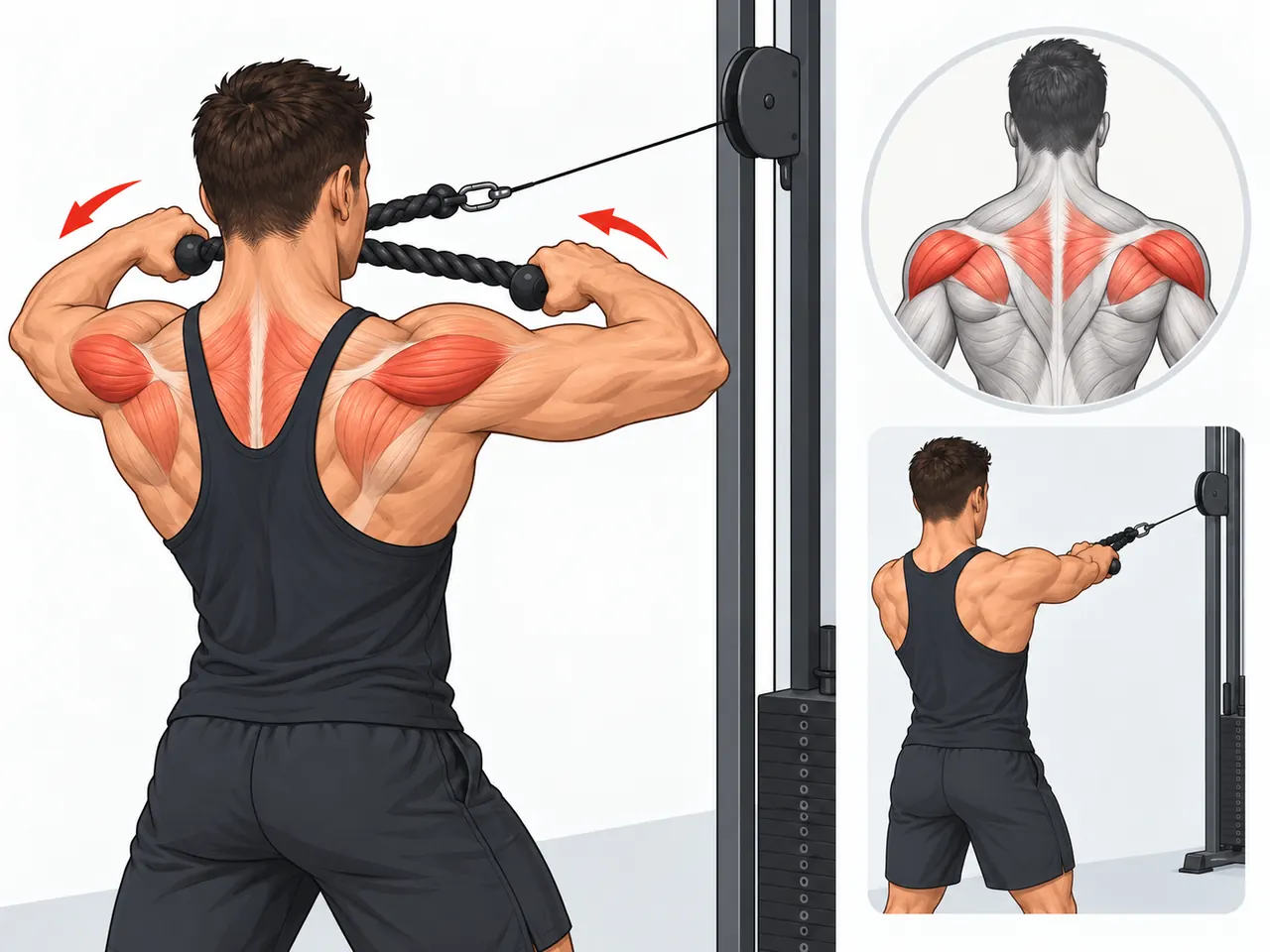
The lateral deltoid, located on the side, is particularly important when the goal is to give the shoulders more width, which is mainly why lateral raises have an important place in many strength training programs. Finally, the posterior deltoid corresponds to the rear of the shoulder. It can easily be neglected when a program relies mainly on presses, but the reverse fly, reverse pec deck, and certain cable exercises allow you to work it more directly.
You should also know about the rotator cuff, without turning this into an anatomy lesson, it is a group of small muscles that surround the shoulder joint and help it remain stable during movements. That is why technique, warming up, and reasonable progression in weight remain important.
The best shoulder exercises for strength training
There is no single best shoulder exercise that can do everything, because movements used to work the deltoids do not all have the same role. Presses, such as the military press, allow you to train the shoulders with relatively heavy weights, they mainly target the front of the shoulder, while also involving the triceps, traps and, depending on execution, the upper chest.
Lateral raises have a different role, they allow you to target the side of the shoulder more and are particularly useful when the goal is to develop the lateral deltoid and shoulder width. For the rear of the shoulder, you can use the reverse fly, reverse pec deck, certain cable pulls, or the face pull.
A balanced workout can therefore include one pressing movement, one lateral raise movement, and one exercise for the posterior deltoid. Adding more exercises can be useful if the shoulders are a weak point, if the rear delts are lagging, or if you want to increase training volume without doing more pressing. The idea is not to do more just for the sake of doing more, but to add sets that genuinely address a weakness.

Military press and shoulder press
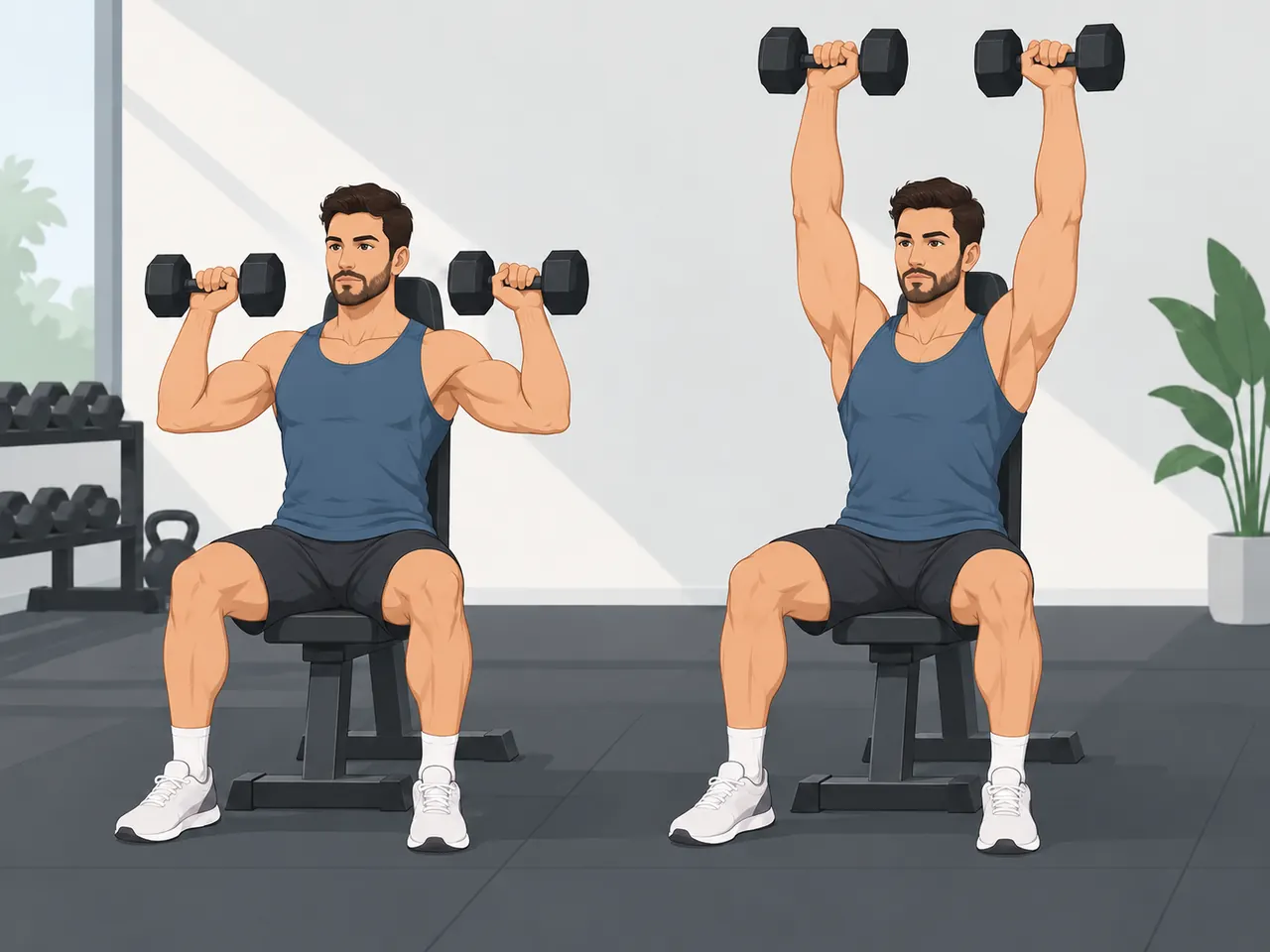
Dumbbell shoulder press
The dumbbell shoulder press is another very common option, with both arms working independently and able to follow a slightly different path. This variation can be useful for people who find the barbell less comfortable or who prefer to adjust the position of their arms more freely.
Machine shoulder press
The machine provides more stability thanks to its guided path and often allows you to focus more on pressing without having to manage the balance of the weight as much.
For the military press as with other shoulder press variations, the most important thing is therefore to choose the version you control best. Barbell, dumbbells, or machine can all be effective, provided you maintain good execution and include them in a workout that also trains the side and rear of the shoulders.
Lateral raises to develop shoulder width
Lateral raises are particularly useful for working the lateral deltoid, located on the side of the shoulder. This is the area people generally try to develop more when they want to visually emphasize shoulder width. Unlike a press, the goal is not to move the heaviest weight possible, because excessive weight easily leads to using body momentum, the back, or the traps to finish the movement, which makes the movement less effective.
A good lateral raise should remain controlled, with the arms moving out to the sides while the upper body stays as stable as possible. There is no need to try to raise the arms very high if that causes you to lose tension in the shoulder or makes the movement uncomfortable. Lateral raises can be performed with dumbbells, a cable, or a machine.
Training the rear delts: the often-forgotten muscle
The rear of the shoulder often receives less attention than the front and side of the deltoid, because many workouts already include presses, push-ups, bench presses, or incline bench presses. These movements mainly target the front of the shoulder, while the posterior deltoid needs more direct work so it does not lag behind.
The reverse fly is one of the simplest exercises for targeting this area, it can be done with dumbbells, on the reverse pec deck, or with a cable. The goal is not to use very heavy weight, but to control the movement, open the arms without shrugging the shoulders, and feel the rear deltoid working.
The face pull can also complement this work, especially if you want to strengthen the upper back, an area already trained in several back exercises, and improve shoulder control.. Here again, you should avoid pulling with your whole body or turning the exercise into a trap-dominant movement. A moderate weight, a clean path, and a good feeling in the rear of the shoulder will often be more useful than a weight that is too heavy.
In a shoulder workout, adding 2 to 4 sets for the rear delts can already make a real difference, especially if this area has never been trained seriously. It is also a good way to balance the program, because well-developed shoulders do not come only from presses and lateral raises.
Shoulder exercises with dumbbells
Dumbbells are already enough to build a good shoulder workout, they allow you to perform a press, lateral raises, and rear-delt work.
- Dumbbell shoulder press
- Dumbbell lateral raises
- Dumbbell reverse fly
- Front raises if desired
Front raises are not always a priority, however, because the anterior deltoid already works heavily during presses and chest exercises.
Example of a dumbbell shoulder workout
- Dumbbell shoulder press: 3 to 4 sets of 6 to 10 reps.
- Dumbbell lateral raises: 3 to 4 sets of 12 to 20 reps.
- Dumbbell reverse fly: 3 sets of 12 to 20 reps.
Machine and cable shoulder exercises
Machine shoulder exercises can be very useful, especially when you want to control the movement better or add volume without having to manage balance as much as with dumbbells. A machine is not inherently less effective, if it allows you to maintain a good path, feel the right muscle, and progress without pain, it can absolutely have a place in a shoulder workout.
The machine shoulder press follows the same principle as the military press, with a guided vertical press. It can replace a barbell or dumbbell press if the goal is to train the shoulders with more stability. It is a good option when you want to use a little more weight without spending as much energy stabilizing the load, or when dumbbells are less comfortable.
Lateral raise machines are useful for targeting the lateral deltoid, the part that contributes most to the appearance of broad shoulders. Because the path is guided, you can often focus better on the side of the shoulder and avoid turning the movement into a shrug with the traps.
For the rear of the shoulder, the reverse pec deck is a simple and effective option, provided you do not try to pull too much weight. The goal is to open the arms while controlling the movement, keep the shoulders down, and feel the posterior deltoid working.
The cable also allows very controlled work, particularly with cable lateral raises or rear-delt exercises. Its benefit comes from the more consistent tension throughout the movement, which can be useful for training with less momentum and targeting the desired area more effectively.
Shoulder exercises at home
It is possible to train the shoulders at home, but progression can be more difficult when equipment is limited.
- Pike push-ups
- Handstand push-up against a wall for advanced trainees
- Lateral raises with bottles or resistance bands
- Reverse fly with a resistance band
- Face pull with a resistance band
These exercises can be effective if you are able to make them progressively more difficult. Without a way to progress, home training can eventually become limited.
Example of a complete shoulder workout
- Dumbbell or machine shoulder press: 3 to 4 sets of 6 to 10 reps.
- Lateral raises: 3 to 4 sets of 12 to 20 reps.
- Machine or dumbbell reverse fly: 3 sets of 12 to 20 reps.
- Cable or machine lateral raises: 2 to 3 sets of 12 to 20 reps.
- Face pull or light stability work: 2 controlled sets.
This workout should be adapted to the rest of the program, especially if you already do a lot of bench presses, incline bench presses, or dips, but it can be a useful reference for organizing a shoulder strength-training workout.
How many times per week should you train shoulders?
One dedicated shoulder workout per week can be enough in a program where the shoulders already work during other exercises. If they are a priority, two training sessions per week can be useful, but it is not necessary to do two big complete workouts. You mainly need to be careful not to accumulate too much work for the front of the shoulder if your program already contains a lot of chest exercises.
Shoulder warm up and pain prevention
A shoulder warm up for strength training can start with a few simple movements to prepare the joint, such as shoulder rotations, arm circles, very light raises, or resistance-band work. The idea is to get the shoulder moving without fatigue, not to start directly with a heavy exercise.
The weight should then increase gradually on the first movement of the workout, for example with one or two light sets before the truly challenging sets. Light external rotations can also be used when appropriate, especially to prepare the rotator cuff and stabilize the shoulder better during presses.
Sharp, deep, or persistent pain should not be considered normal. If it remains present despite warming up, using a lighter weight, or choosing a more comfortable variation, it is better to adjust the exercise and seek advice from a qualified professional.
Common mistakes with shoulder exercises
- Using too much weight on lateral raises.
- Using too much momentum and turning the exercise into a trap-dominant movement.
- Forgetting to train the rear of the shoulder.
- Adding too much work for the anterior deltoid.
- Forcing a range of motion that causes discomfort or pain.
- Neglecting warm-up sets.
- Believing that a single exercise is enough to develop the entire shoulder.
Key takeaways
To effectively build your shoulders, a solid foundation generally consists of combining a pressing movement, lateral raises, and an exercise for the rear of the shoulder. The military press is useful, but it is not mandatory, lateral raises are particularly useful for the lateral deltoid, while reverse flies and similar variations allow you to work the posterior deltoid.
Progression is not only about adding weight, good technique, volume adapted to the rest of the program, and consistent progression are just as important.
FAQ
What are the best shoulder exercises?
A simple selection includes a shoulder press, lateral raises, and an exercise for the rear of the shoulder such as a reverse fly or the reverse pec deck. These movements allow you to work the different parts of the deltoid in a complementary way.
How can you build your shoulders quickly?
There is no method that can develop complete shoulders in a few days. The most important thing is to choose a few suitable exercises, progress consistently, maintain good technique, and allow enough recovery.
What exercise helps build wider shoulders?
Lateral raises are particularly useful for working the lateral deltoid, located on the side of the shoulder. They can be performed with dumbbells, a cable, or a machine.
Is the military press mandatory?
No. The military press is a very useful movement for training the shoulders, but it is not essential. A dumbbell press or a machine can be used in its place.
Are lateral raises effective?
Yes. They allow you to particularly target the lateral deltoid. To be effective, they should be performed with a controllable weight and without excessively using body momentum.
How do you train the rear delts?
The rear of the shoulder can be trained with a dumbbell reverse fly, the reverse pec deck, certain cable variations, or the face pull. The goal is to keep the movement controlled and not let the traps do all the work.
What shoulder exercises can you do with dumbbells?
With a pair of dumbbells, you can perform a shoulder press, lateral raises, and a reverse fly. These three movements are already enough to build a simple and coherent shoulder workout.
Can you build your shoulders at home?
Yes. Pike push-ups, lateral raises with bottles or resistance bands, reverse flies with a resistance band, and face pulls are some options. The main limitation is the ability to make the exercises progressively more difficult.
How many times per week should you train shoulders?
One dedicated workout per week can be enough when the shoulders are already involved during other training sessions. If they are a priority, two training sessions per week can be useful.
Why do my shoulders hurt during strength training?
Shoulder pain can have many causes and cannot be diagnosed from a single exercise. If a movement causes sharp or persistent pain, it is better to adjust the exercise or the weight and seek professional advice if the problem continues.
Related articles
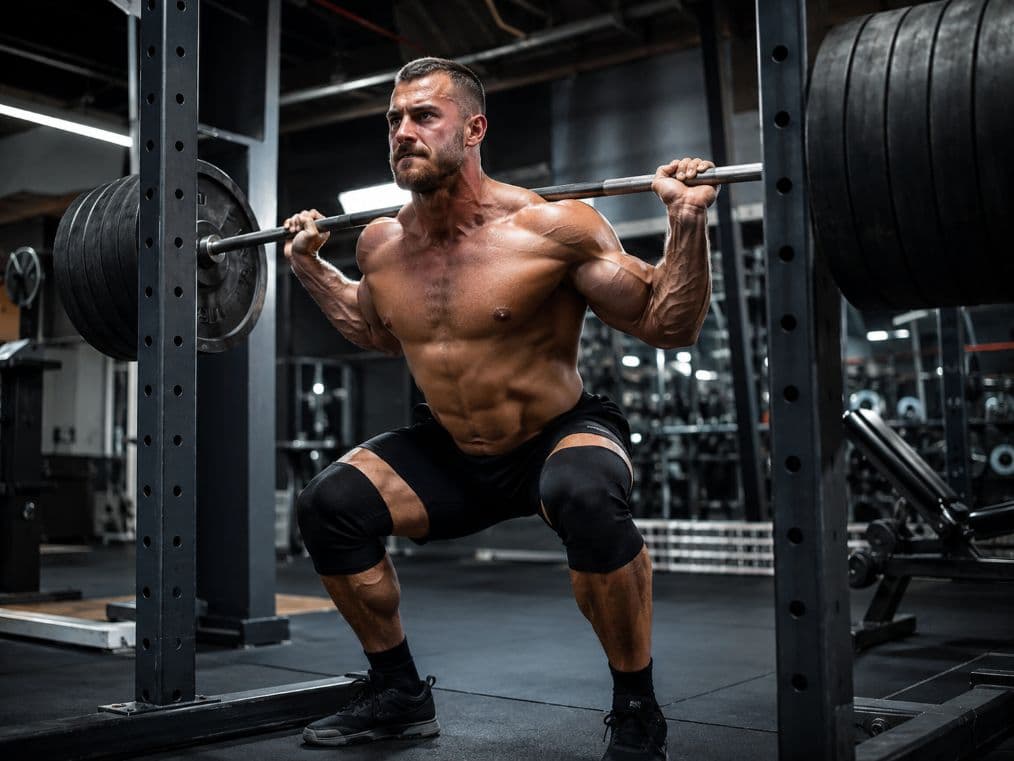
Bulking in Strength Training: How to Gain Muscle Without Gaining Too Much Fat
Bulking is a phase where you aim to gain weight to support muscle building. In theory, the idea seems simple: eat more, train hard, and progress. But in practice, this is often where many lifters go wrong. Some eat far too much and mostly gain fat, while others are afraid to eat
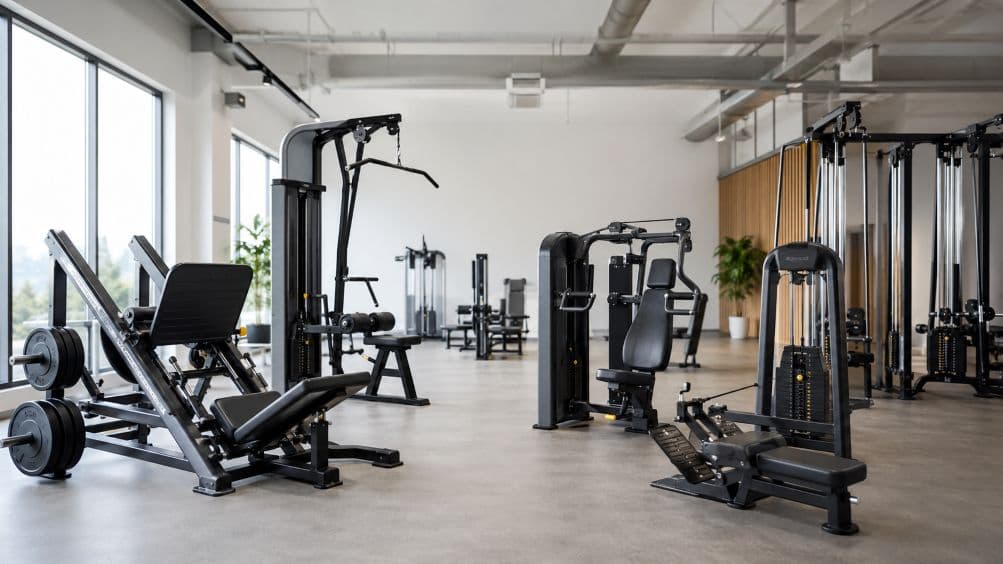
Strength Training Machines: Which Ones Should Beginners Use at the Gym?
When you walk into a gym, strength training machines can quickly make it feel like you already need to know everything before getting started. There are machines for the legs, back, chest, shoulders, arms, and abs. Some are easy to understand, while others are much less obvious.
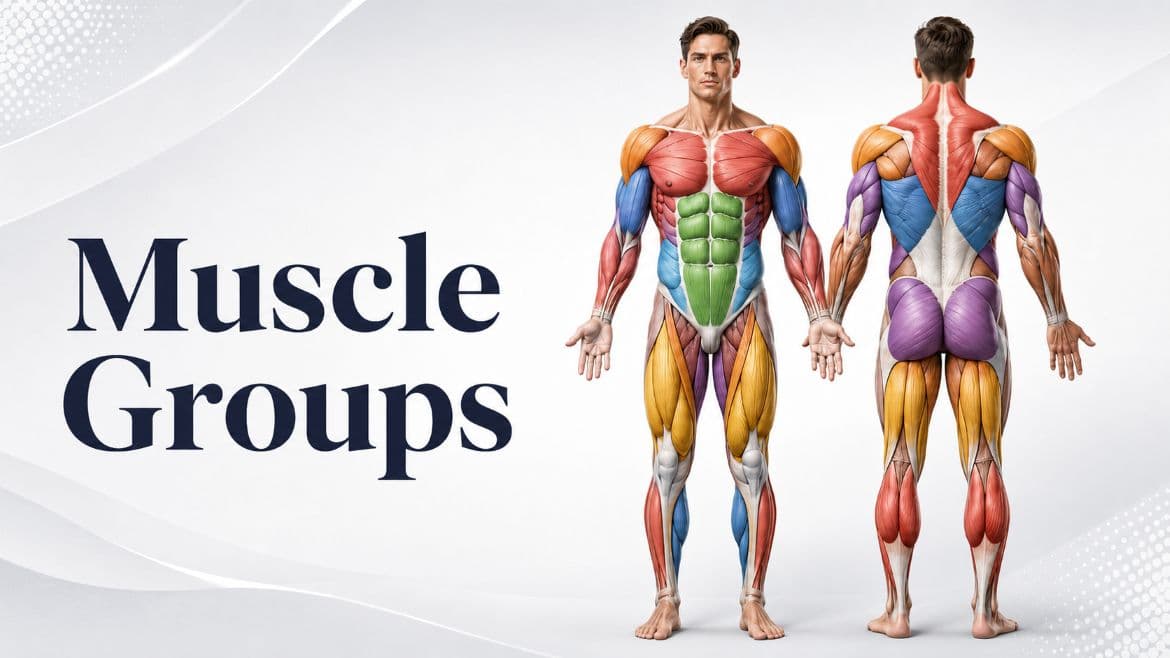
Muscle Groups: Understanding the Main Muscles of the Body to Train Better
A guide to understand the basics of the topic and organize your training more effectively.