RPE, RIR, and muscle failure: how do you manage effort in strength training?
Learn how to use RPE and reps in reserve to adjust your sets, make progress, and manage muscle failure based on your goal.
The strength training category brings together articles about workouts, exercises, muscle groups, muscle gain, cutting and recovery. The content is written to help readers organize their training and understand the basics.

Learn how to use RPE and reps in reserve to adjust your sets, make progress, and manage muscle failure based on your goal.

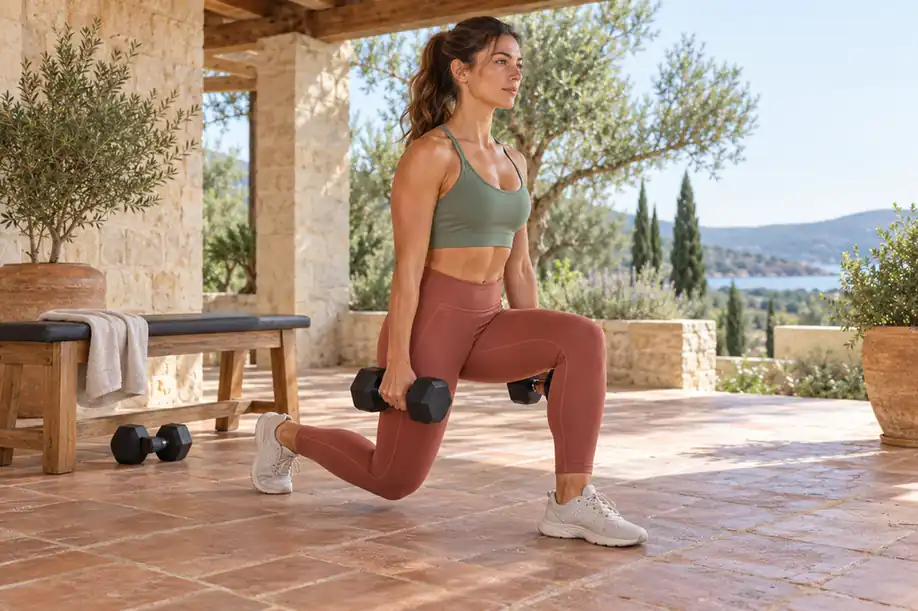
Hip thrusts, squats, lunges, Romanian deadlifts, and hip abduction: learn how to choose your glute exercises, perform them, and progress.

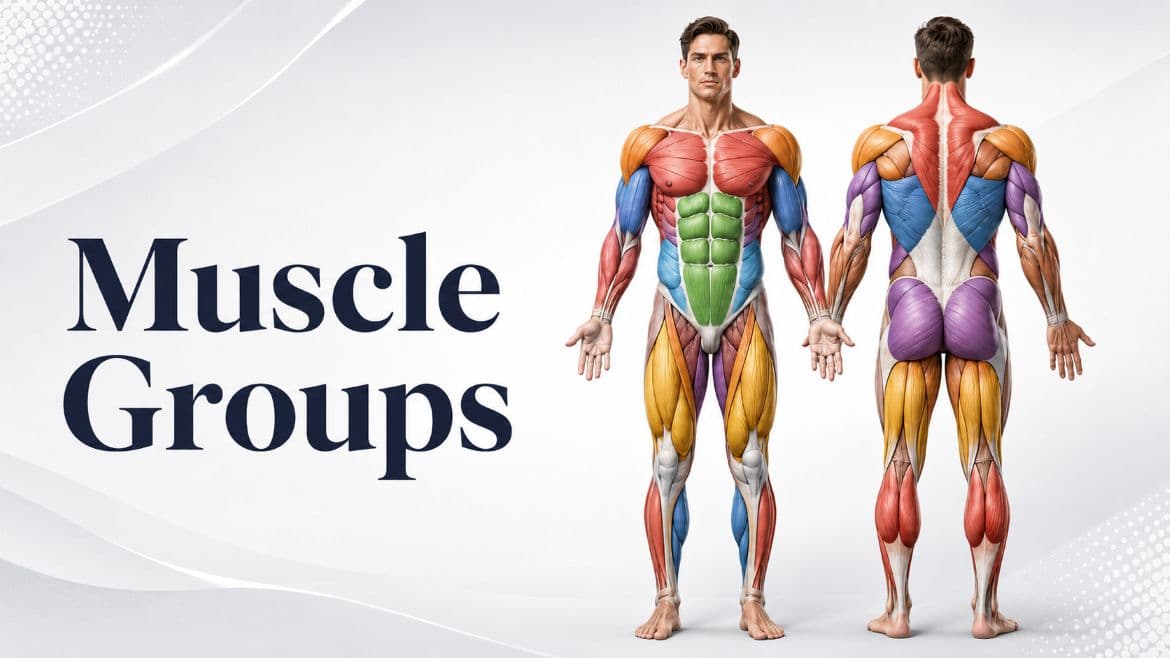
Learn the main muscle groups of the human body, where they are located, what they do, and how to train them effectively for strength and muscle growth.

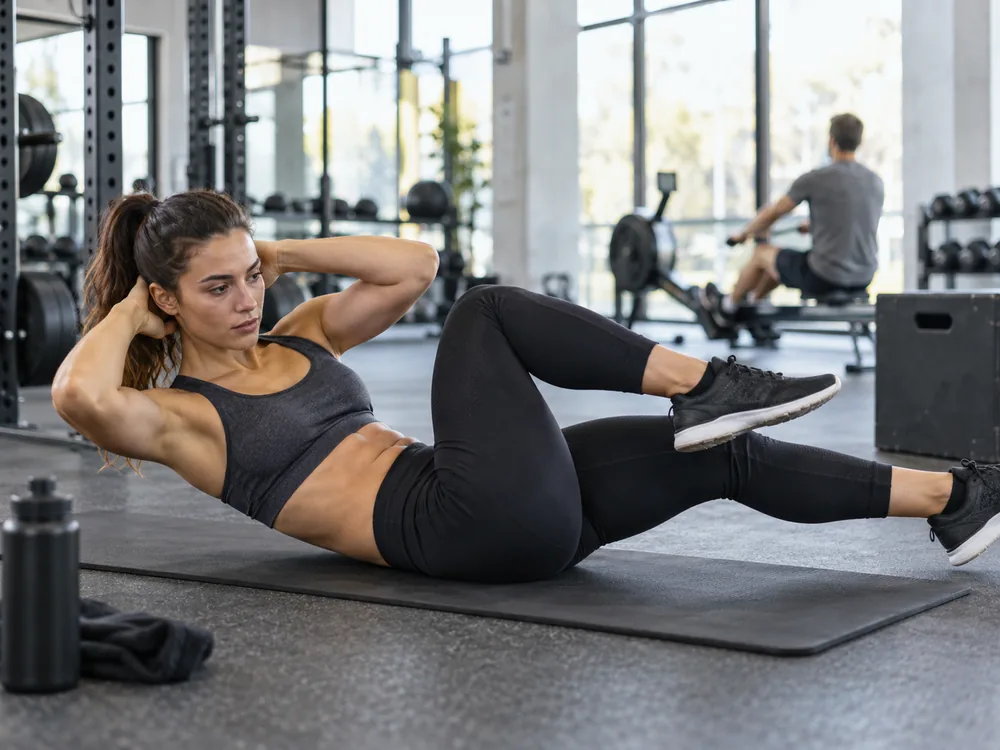
Discover how to choose and progress with ab exercises: crunch, leg raise, ab roller, obliques, core stability exercises, and a sample workout.

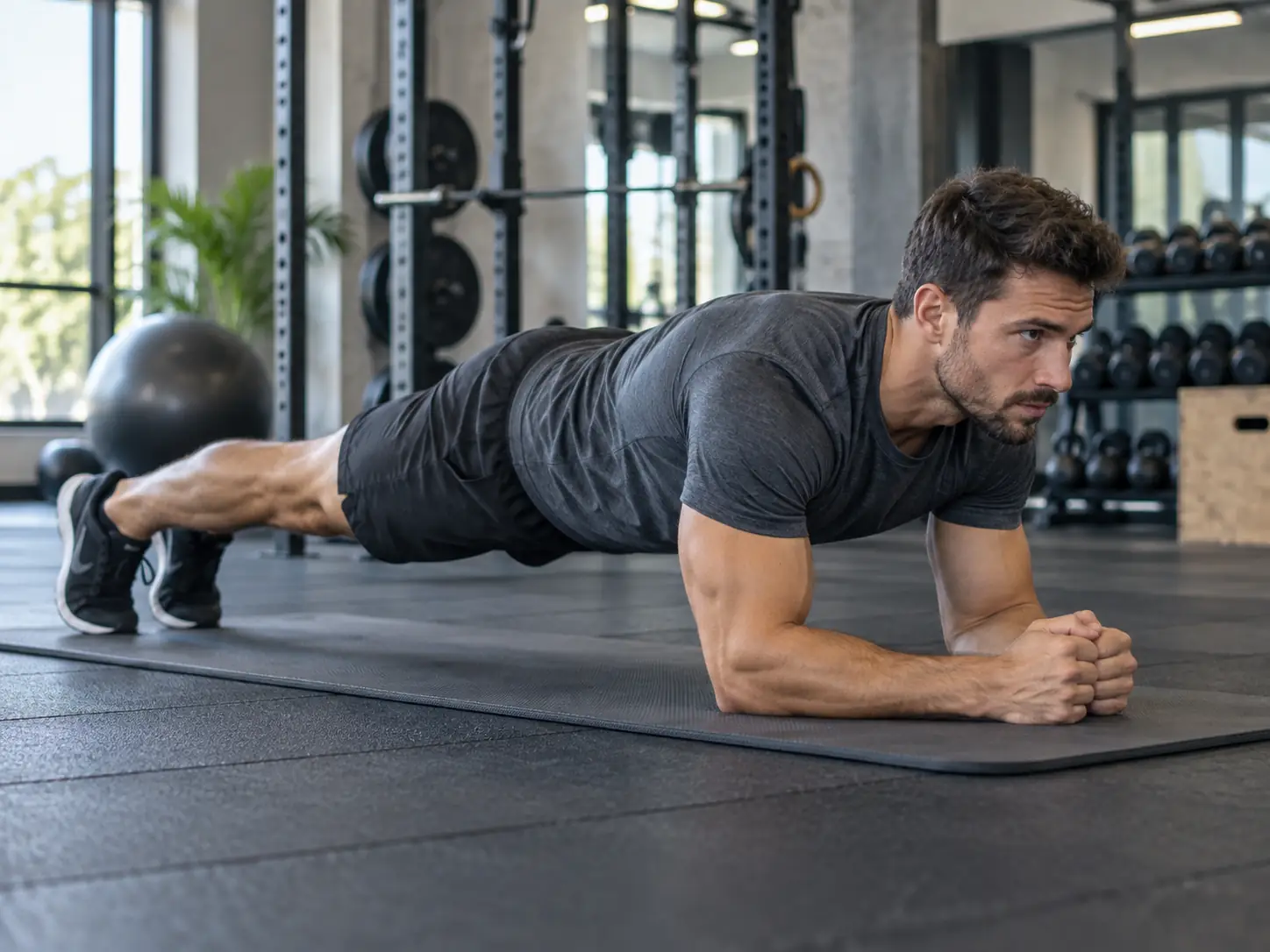
A complete guide to core training: planks, side planks and dynamic core exercises, muscles worked, beginner exercises, duration, frequency, and progression.

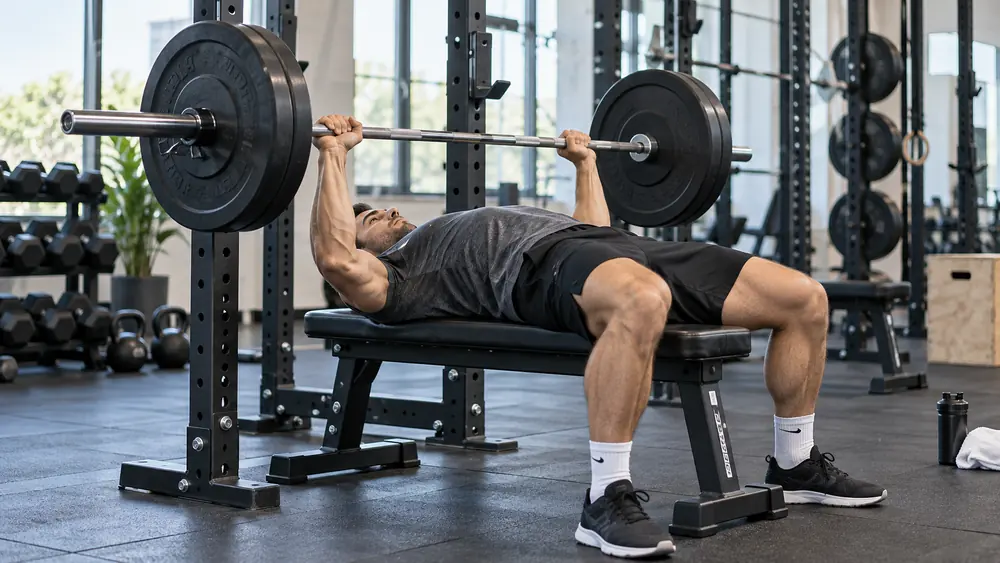
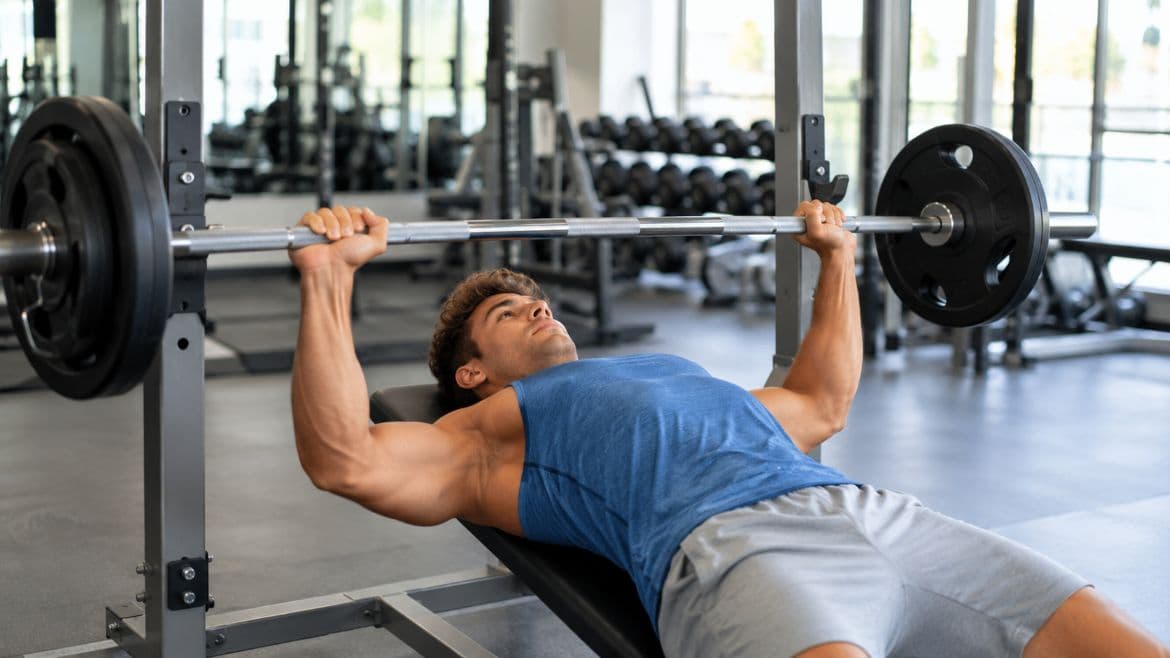
Guide complet du développé couché : muscles sollicités, placement, prise, trajectoire, barre ou haltères, erreurs fréquentes et progression.

Building your arms takes more than doing curl after curl. The biceps are important, but the triceps also make up a large part of the upper arm, while the forearms are involved in almost every movement that requires you to hold, pull, or flex the elbow. A good selection of arm exe

Warming up before lifting weights prepares the body before the workout, improves the quality of the first sets, and helps you start gradually instead of going straight into heavy loads. A good warm-up should not tire you out: it should help you ease into the workout more effectiv

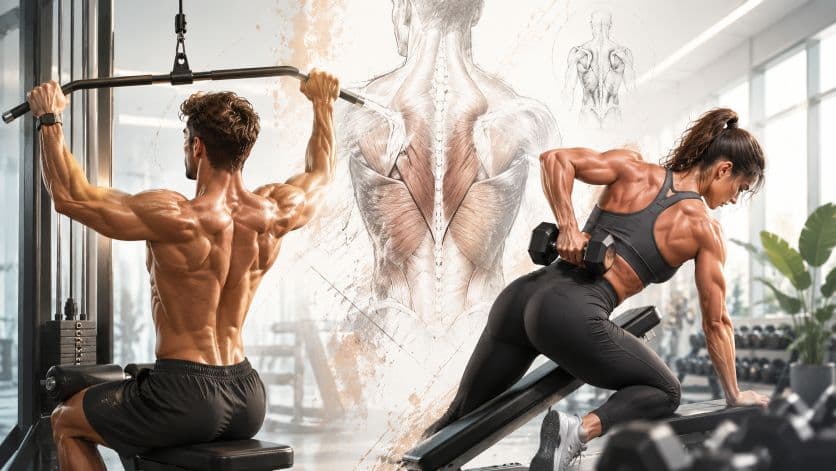
The back is one of the most important muscle groups in strength training, both for aesthetics and upper-body balance, because a well-developed back creates a wider silhouette, better posture, and a stronger base for many exercises. To train your back properly, it is not enough t

Being able to descend properly in a squat, raise your arms overhead, or get into a good position for certain exercises does not depend on strength alone. You also need sufficient range of motion in the joints involved and the ability to control it. This is where mobility exercis

Stretching has a place in strength training, but not necessarily the one it is often given. It does not prepare a muscle for heavy loads in the same way as progressively increasing the weight, it does not make muscle soreness disappear, and it does not replace mobility work when

Cutting in strength training is a period where the goal is to lose fat while keeping as much muscle as possible. It often comes after a bulk, but it can also apply to someone who simply wants to improve their body composition, get leaner, or make their muscles more visible. The

When you start strength training, you can quickly get lost in the number of exercises available. Between barbell movements, dumbbells, machines, cables, and bodyweight exercises, it is easy to think that you need to know everything to train well. In reality, the base relies on a

When you walk into a gym, strength training machines can quickly make it feel like you already need to know everything before getting started. There are machines for the legs, back, chest, shoulders, arms, and abs. Some are easy to understand, while others are much less obvious.

When you start strength training, you often think first about exercises, muscle groups, or dietary supplements. Yet what connects all of that is the program. Without a program, you go through workouts. With a program, you follow a logic, and it is this logic that allows you to kn

The chest muscles are among the muscles that many lifters want to develop as a priority, whether to build size, improve the upper body, or make progress on exercises like the bench press, but training the chest properly is not just about doing the same movement over and over with

To effectively build your legs, simply doing a few sets of squats and leg presses is not enough, the lower body includes several muscles that do not have exactly the same role, so a balanced leg workout should combine several types of movements. The best leg exercises are those

Good shoulder exercises are not just about pressing as much weight as possible overhead. To develop complete shoulders, you need to combine several types of movements: presses for overall work, lateral raises to emphasize width, and specific exercises for the rear of the shoulder

Bulking is a phase where you aim to gain weight to support muscle building. In theory, the idea seems simple: eat more, train hard, and progress. But in practice, this is often where many lifters go wrong. Some eat far too much and mostly gain fat, while others are afraid to eat